
Each report is prepared by a certified specialist (radiologist).
Artificial Intelligence in Radiology – Why AI Supports Doctors but Does Not Replace Them
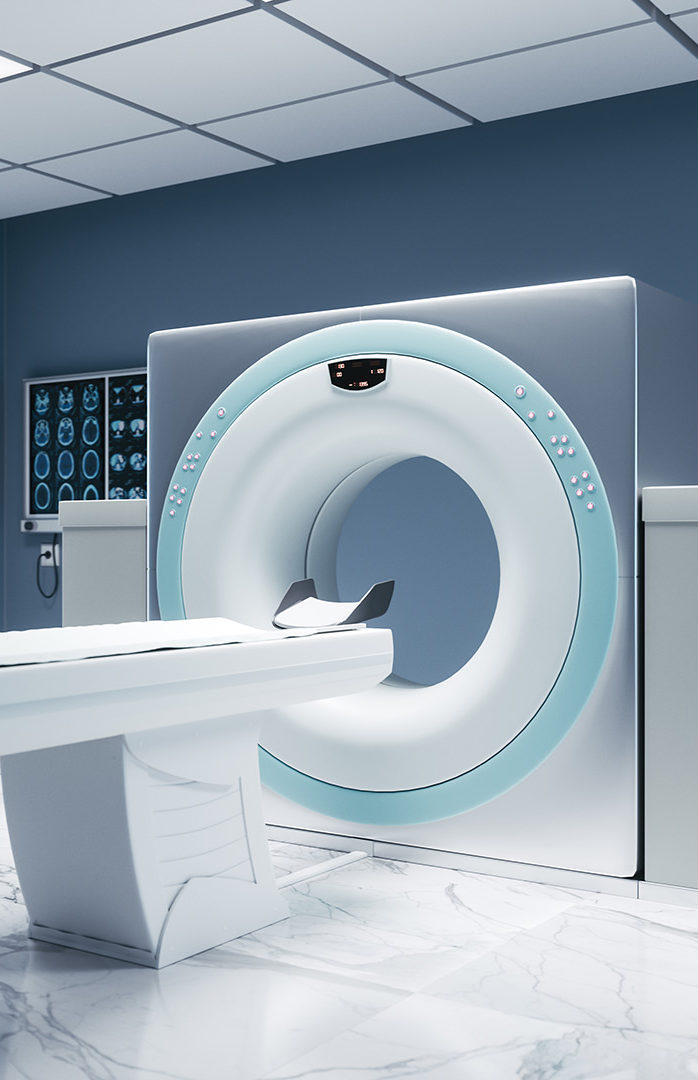
Artificial intelligence is playing an increasingly important role in modern radiology. Advanced algorithms can support the analysis of MRI scans, CT scans, X-rays and mammography images, helping specialists identify potential abnormalities more quickly. As these technologies continue to develop, many patients are asking an important question: could AI eventually replace radiologists?
The answer is clear: no. Artificial intelligence can support diagnostic processes, but it cannot replace the experience, responsibility and clinical judgement of a real doctor. Accurate interpretation of medical images requires far more than analysing a scan. It also depends on the patient’s medical history, current symptoms, previous examinations and overall clinical context.
The future of radiology therefore lies not in choosing between humans and technology, but in combining the strengths of both.
What Is Artificial Intelligence in Radiology?
Artificial intelligence uses machine learning algorithms to analyse medical imaging data. These systems are trained using large volumes of radiological examinations and learn to recognise specific patterns and abnormalities.
Today, AI systems can help to:
• highlight areas of potential concern,
• identify subtle abnormalities,
• support radiology workflows,
• improve quality assurance processes.
However, AI primarily analyses image data. It does not know the patient personally and does not automatically have access to their complete medical history.
Why a Patient’s Medical History Matters
A radiological examination is much more than a single image. To reach an accurate diagnosis, findings must always be interpreted within the wider clinical context.
A real doctor takes into account:
- the patient’s medical history,
- existing medical conditions,
- current symptoms,
- previous imaging studies,
- laboratory results,
- ongoing treatment plans.
This is one of the most important differences between AI and an experienced radiologist. The same finding on an MRI or CT scan may have a completely different significance depending on the individual patient. A good illustration is the question of what white spots on a brain MRI mean, where visually identical changes can point to very different conclusions.
For this reason, patient case analysis remains a critical part of every radiological assessment. We describe this process in more detail in our article on who writes an MRI report and why it matters.
AI Supports Radiologists – It Does Not Work Independently
One common misconception is that AI can make diagnoses on its own. In reality, modern AI systems have been designed to support radiologists rather than replace them.
Research has demonstrated the value of this collaboration. In a study involving more than 100,000 CT scans used to assess pulmonary embolism, AI and radiologists agreed in approximately 84% of positive cases and 97% of negative cases.
These findings highlight the potential of artificial intelligence in medical imaging. At the same time, they demonstrate why clinical oversight remains essential. Even highly advanced algorithms are not infallible.
AI supports radiologists, but responsibility for diagnosis remains with the doctor.
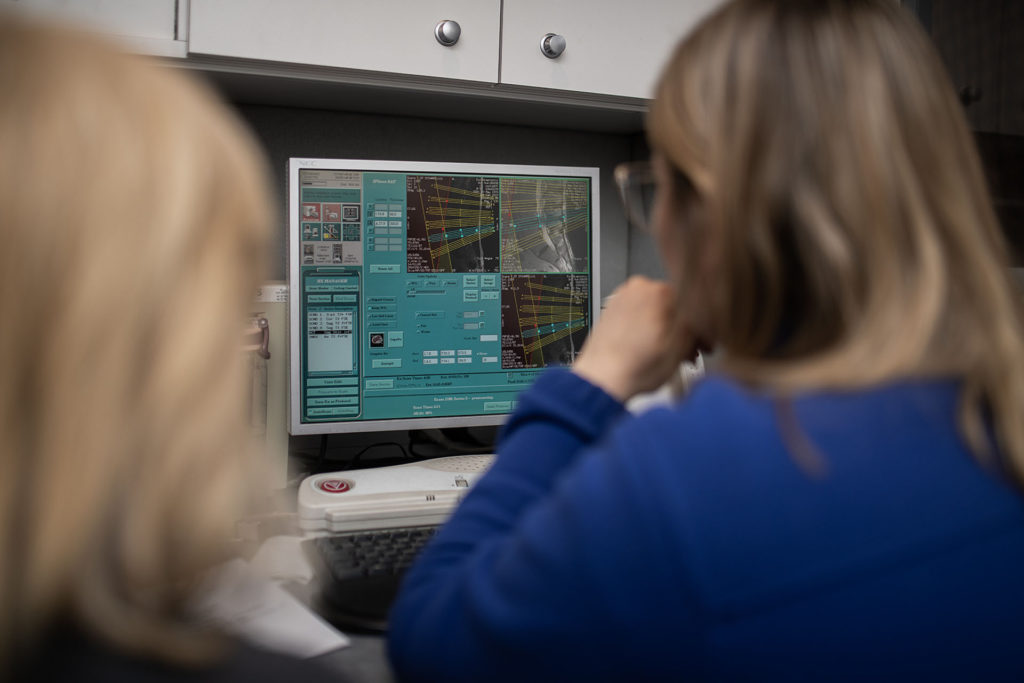
Why General AI Systems Are Not Medical Specialists
Many patients now use tools such as ChatGPT to research medical information or gain a better understanding of their results.
However, it is important to understand the distinction between general-purpose AI and specialist medical AI.
General AI models are trained on information gathered from a wide range of sources. These may include scientific publications, professional articles, websites and other content of varying quality. As a result, such systems can produce convincing responses, but they are not specifically designed to interpret radiological images.
If your goal is simply to understand the terminology used in your own result, a safer starting point is our patient’s guide to reading an MRI or CT report, followed by a conversation with a specialist.
Medical imaging relies on highly specialised AI models that are trained using millions of labelled medical images and developed in collaboration with radiologists, researchers and healthcare institutions.
Even these specialist systems do not make independent clinical decisions. Their role is to support healthcare professionals, not replace them.
AI Can Make Mistakes
Like any technology, artificial intelligence has limitations.
AI systems may generate false-positive results, identifying abnormalities that are not clinically significant. Equally, they may produce false-negative results, failing to detect a genuine abnormality.
Another challenge is the lack of clinical context. AI can analyse image data, but it does not automatically understand a patient’s full medical history, symptoms or treatment pathway.
This is why medical oversight remains essential.
A real doctor can interpret findings within the context of the patient’s overall health and identify situations where AI may have reached an incorrect conclusion. Where a finding remains ambiguous, a second opinion on a CT or MRI scan online provides an additional layer of human verification.
How AI Supports Radiologists in Clinical Practice
When used appropriately, artificial intelligence can provide significant benefits within radiology departments.
A study examining AI-assisted reporting found that the average reporting time decreased from approximately 573 seconds to 435 seconds without compromising diagnostic quality.
For patients, this may ultimately translate into shorter waiting times and more efficient diagnostic services. Faster reporting matters most in urgent clinical situations, which is why time is such a decisive factor in cancer diagnosis.
However, one principle remains unchanged: the final report is always produced or reviewed by a qualified radiologist.
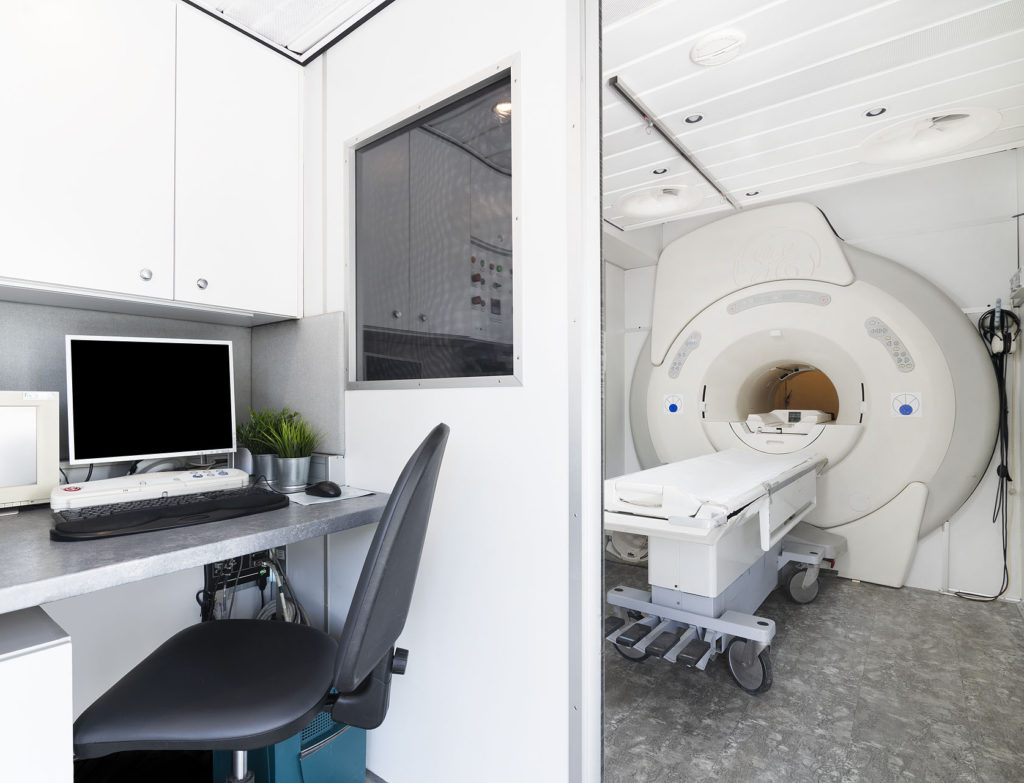
Why a Real Doctor Remains Essential
Radiology involves far more than recognising patterns on a scan.
A real doctor combines medical expertise with clinical experience. They consider the patient’s medical history, evaluate symptoms, review previous examinations and place findings within the context of the patient’s broader healthcare journey. This is also what a radiological consultation is designed to provide.
No artificial intelligence system can fully replicate this level of individual clinical judgement.
For this reason, radiologists will continue to play a central role in the interpretation of medical images for the foreseeable future.
How AI Is Used at EURODIAGNOSIS
At EURODIAGNOSIS, we view artificial intelligence as a valuable support tool within the diagnostic process.
Advanced technologies can help improve efficiency and assist radiologists in analysing medical imaging data. However, responsibility for the final interpretation always rests with a qualified medical specialist. Every MRI scan report and CT scan report we deliver is electronically signed by a certified radiologist.
Every examination is reviewed by a radiologist who considers the patient’s medical history, clinical question and individual circumstances.
This approach allows us to combine the benefits of modern technology with professional medical expertise, ensuring that patients receive reliable and clinically meaningful results.
Conclusion
Artificial intelligence is transforming radiology and creating new opportunities to support diagnostic processes. It can help analyse examinations more efficiently, identify potential abnormalities and improve workflow efficiency.
However, AI does not work independently. It can make mistakes and cannot fully understand the complete clinical picture of an individual patient.
For that reason, the role of the doctor remains essential. The most effective diagnostic outcomes are achieved when artificial intelligence works alongside experienced medical professionals, combining technological innovation with human clinical expertise.
If you need your images interpreted by a specialist rather than an algorithm, you can request a remote CT or MRI report or contact our team with any questions.
