
Each report is prepared by a certified specialist (radiologist).
Cancer Diagnosis – Why Time Matters

A suspected cancer diagnosis is one of the most stressful situations a patient can face. Questions about the diagnosis, treatment options and future outcomes often arise almost immediately. In these circumstances, time becomes particularly important. Not because every cancer develops rapidly, but because early diagnosis allows healthcare professionals to make informed decisions sooner and begin appropriate treatment when necessary.
Modern medicine offers increasingly effective therapies for many types of cancer. However, successful treatment often depends on detecting the disease at an early stage and ensuring that the diagnostic process is carried out efficiently.
Why Do Patients Delay Diagnostic Tests?
Despite growing awareness of the importance of preventive healthcare, many people postpone medical appointments or recommended investigations.
There are many reasons for this. Some patients attribute symptoms to stress, fatigue or the natural ageing process. Others may feel anxious about a potential diagnosis or hope that their symptoms will disappear on their own.
The challenge is that many cancers develop silently for months or even years. For this reason, doctors consistently emphasise the importance of regular health checks and prompt investigation of any persistent or unusual symptoms.
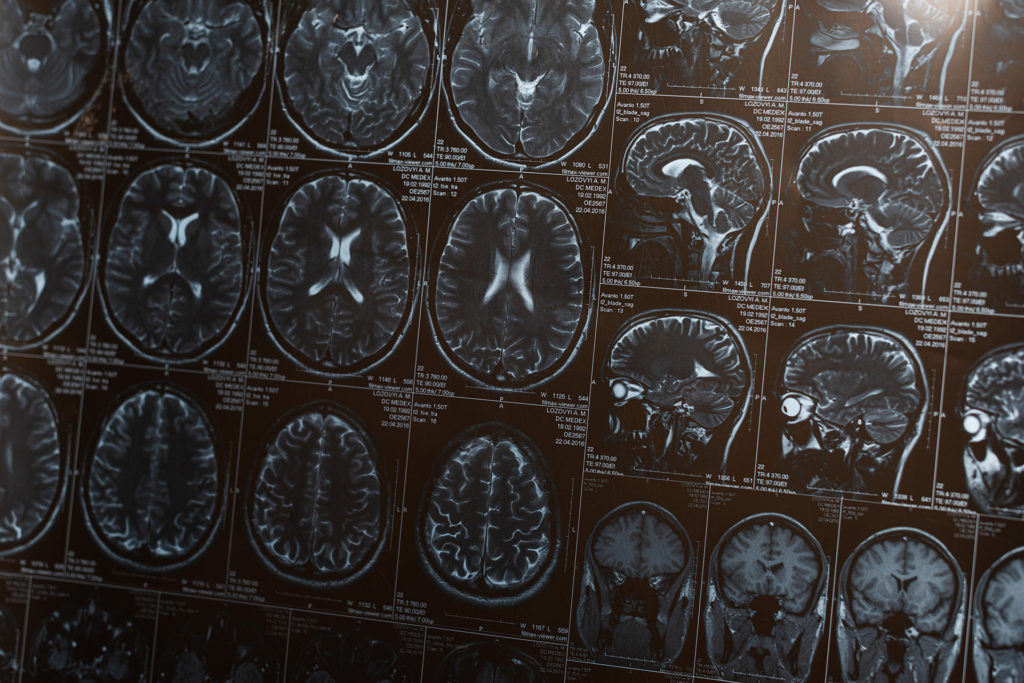
Not All Cancers Cause Symptoms in Their Early Stages
One of the greatest challenges in oncology is that many cancers do not produce clear symptoms in their early stages.
This applies to a number of common cancers, including:
- breast cancer,
- ovarian cancer,
- endometrial cancer,
- colorectal cancer,
- stomach cancer,
- prostate cancer,
- kidney cancer.
In many cases, symptoms appear only when the disease has progressed further. This is why preventive healthcare, routine screening and timely diagnostic investigations remain so important.
The Role of Medical Imaging in Cancer Diagnosis
Medical imaging is one of the most important tools in modern cancer care.
Depending on the clinical situation, a doctor may recommend:
- magnetic resonance imaging, or MRI,
- computed tomography, or CT,
- PET-CT scans,
- ultrasound examinations,
- mammography,
- X-ray imaging.
These examinations help identify suspicious abnormalities and provide valuable information about their size, location and extent.
Imaging plays a crucial role not only in detecting cancer but also in monitoring treatment response and assessing disease progression over time. Once the examination has been performed, the findings must still be described by a specialist, which is why we explain in detail who writes an MRI report and why it matters.
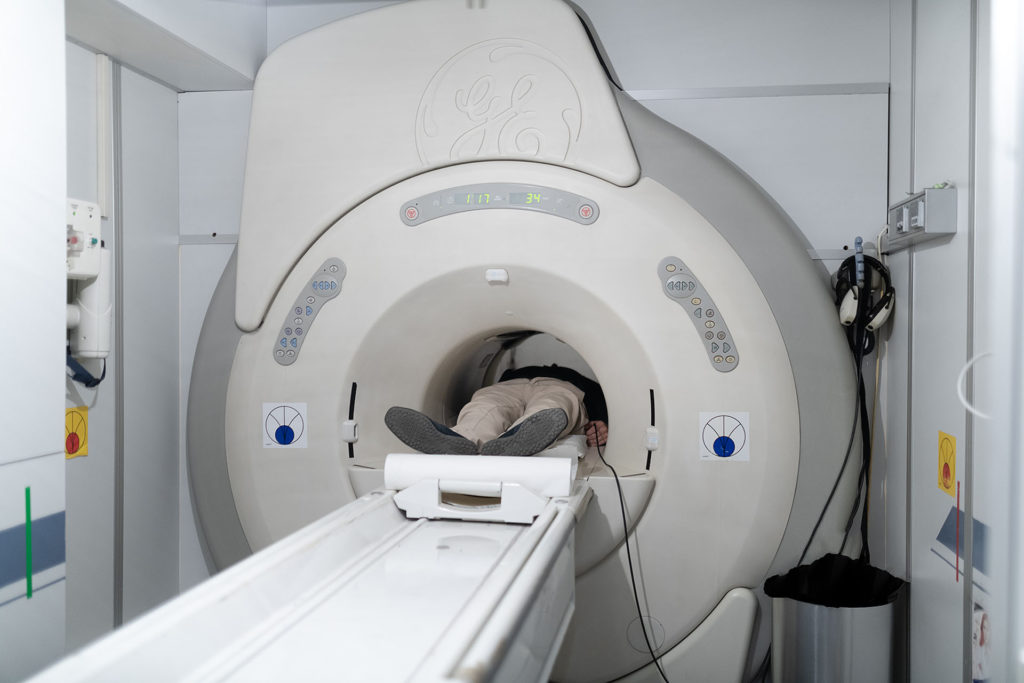
Breast Cancer – The Importance of Early Detection
Breast cancer remains the most commonly diagnosed cancer among women worldwide. According to the World Health Organization, more than two million new cases are diagnosed each year.
Many abnormalities can be detected through imaging before noticeable symptoms develop.
Mammography, breast ultrasound and breast MRI allow clinicians to identify suspicious changes at an earlier stage, when treatment options are often most effective.
Gynaecological Cancers: When Symptoms Are Non-Specific
Ovarian cancer and endometrial cancer can be particularly difficult to detect because early symptoms are often vague and non-specific.
Abdominal discomfort, bloating, pelvic pain or changes in menstrual patterns may have many different causes and are not always immediately associated with cancer.
Appropriate diagnostic investigations and imaging studies can help identify abnormalities earlier and support clinical decision-making.
Colorectal, Stomach, Prostate and Kidney Cancer
Colorectal cancer is one of the most frequently diagnosed cancers across Europe. Early detection can significantly improve treatment outcomes and long-term prognosis.
A similar situation applies to stomach cancer, which may develop without causing obvious symptoms for an extended period.
For men, prostate cancer remains one of the most common malignancies. Multiparametric MRI of the prostate has become an important tool in evaluating suspicious findings and supporting further diagnostic assessment.
Kidney cancer is often discovered incidentally during imaging examinations performed for unrelated reasons. Incidental findings of this kind are common in radiology, as illustrated by the question of what white spots on a brain MRI mean. This highlights the value of modern imaging technologies in identifying disease before symptoms become apparent.
In Cancer Diagnosis, It Is Not Only the Scan Appointment That Matters
Many patients understandably focus on obtaining an MRI, CT scan or mammogram as quickly as possible. However, the time required to receive the radiology report is equally important.
Even the most advanced imaging examination cannot guide treatment decisions until the images have been reviewed and interpreted.
The radiology report provides the information needed to determine the next steps in diagnosis and care.
For patients awaiting answers, delays in reporting can be a significant source of anxiety. At the same time, clinicians often need imaging results before they can make further decisions regarding investigations or treatment.
This is why an efficient diagnostic pathway involves not only access to imaging but also timely reporting.
Why Timely Reporting Matters
Many important decisions in cancer care are based on imaging findings.
Whether further investigations are required, whether a biopsy should be performed or whether treatment can begin often depends on the radiology report. If your own result has already arrived and the wording is difficult to follow, our patient’s guide to reading an MRI or CT report may help.
The sooner the results become available, the sooner clinicians can plan the next stage of care. Where waiting times are long, ordering an MRI scan report or a CT scan report remotely can shorten the interval between the examination and the answer.
However, speed should never come at the expense of quality. Patients need not only prompt results but also accurate and reliable interpretation.
Why Radiologist Expertise Matters
Modern imaging examinations generate enormous volumes of data.
A single MRI study may contain hundreds or even thousands of images that require detailed review. Software can assist with this workload, although artificial intelligence supports radiologists rather than replacing them.
The role of the radiologist extends beyond simply identifying abnormalities. Equally important is interpreting those findings within the context of the patient’s medical history, symptoms and clinical presentation.
In cancer diagnosis, the expertise of an experienced radiologist can be particularly valuable, especially when abnormalities are subtle or difficult to interpret. A radiological consultation gives patients the opportunity to discuss such findings directly with a specialist.
In some situations, obtaining a second opinion on a CT or MRI scan online may also help increase diagnostic confidence and support further decision-making.
Does Faster Always Mean Better?
Time is undoubtedly important in cancer diagnosis, but speed should never compromise quality.
The goal is not simply to complete investigations as quickly as possible. Instead, the aim is to ensure that patients receive timely access to diagnostic services alongside accurate and clinically meaningful results.
The greatest benefit comes from combining rapid access to imaging, timely reporting and high-quality medical interpretation.
Conclusion
Time plays a critical role in cancer diagnosis. In many cases, earlier detection creates greater opportunities for effective treatment and improved outcomes.
Many cancers, including breast cancer, ovarian cancer, endometrial cancer, colorectal cancer, stomach cancer, prostate cancer and kidney cancer, may not produce obvious symptoms in their early stages.
For this reason, preventive healthcare, timely access to diagnostic imaging and accurate radiology reporting remain essential components of modern cancer care. Together, these elements provide the information needed to support informed medical decisions and guide the most appropriate treatment pathway.
If you are currently waiting for your images to be described, you can request a remote CT or MRI report prepared and electronically signed by an experienced radiologist, or contact our team with any questions about the process.
